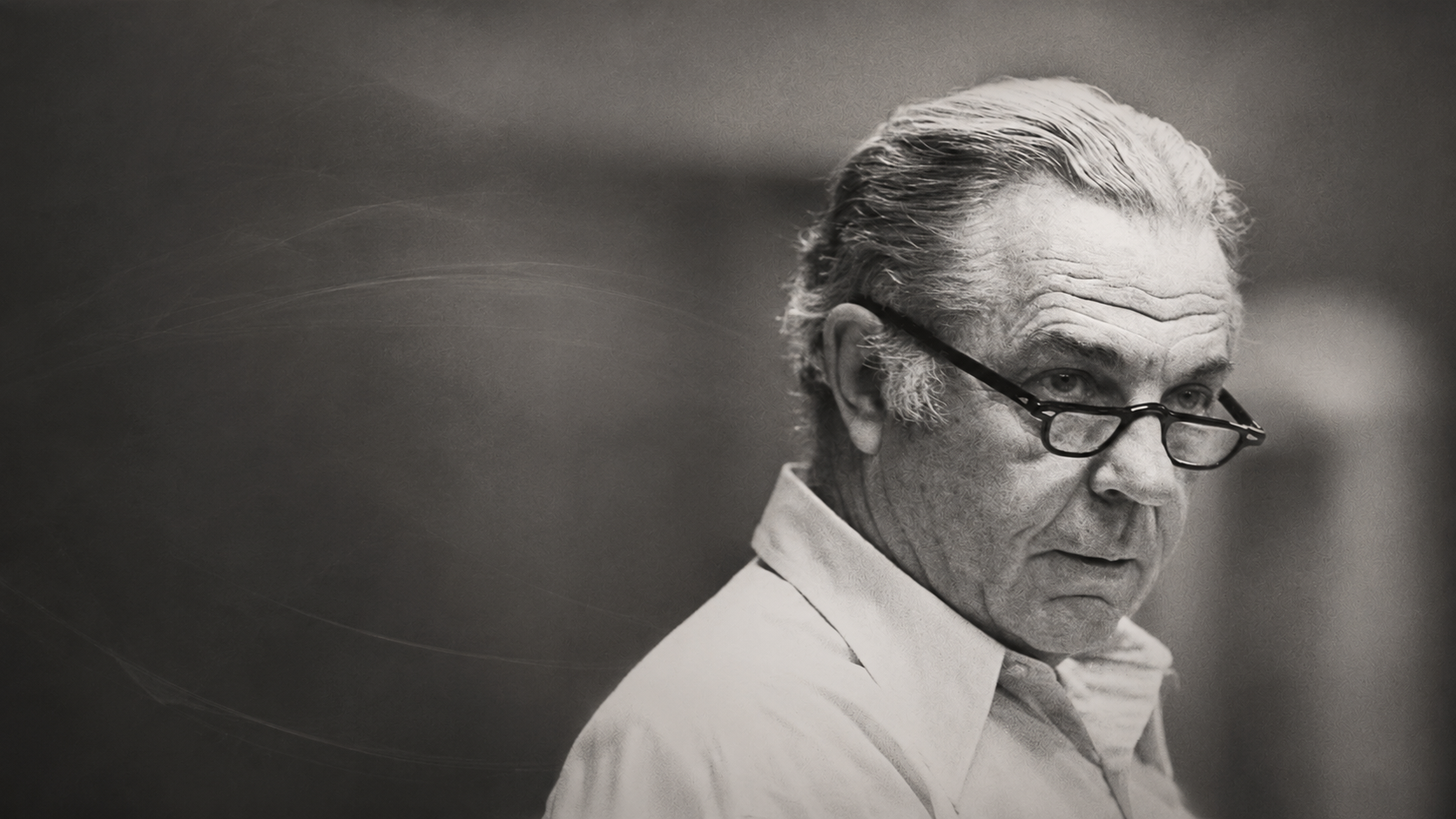
You don’t teach a class. You teach a student.
—Paul Baker
A Creative Genius in Education and Theater
Paul Baker was more than a theater director. He was a revolutionary force who taught generations of students how to develop the dynamic power of their own minds.
He was described by famous actor, Charles Laughon, as irritating, arrogant, nuts—and a genius. His classrooms and theaters became laboratories for human possibility.
For Baker, creativity was not decoration or enrichment. It was a disciplined way of learning, a way for students to discover themselves, interpret the world, and develop the courage to express what only they could see.

The Student at the Center
Paul Baker was a transformative Texas educator and director whose interdisciplinary approach helped students develop creative confidence and problem-solving skills they could carry into any field.
His legacy reaches across universities, public and private school districts, performance institutions for adults and young people, an ideal starting point for understanding the concepts on this site.
Baker believed education should begin with the individual student — how that student sees, hears, moves, remembers, and creates. His work challenged educators and artists to look beyond standardized instruction and awaken the full range of a student’s abilities.
Teaching as Discovery
Baker’s classroom was not built around one right answer. It was built around discovery.
He used theatrical components of movement, design, sound, imagery, and story to help students understand how they think, feel, perceive, and create.
His teaching invited students to ask deeper questions: What do I notice? What does this space feel like? How does sound change meaning? What happens when movement becomes language? How can color, rhythm, texture, or light tell a story?
Through these questions, students learned that their own perceptions could become tools for communication, creation, and understanding.
Baylor, Trinity, and the Integration of Abilities
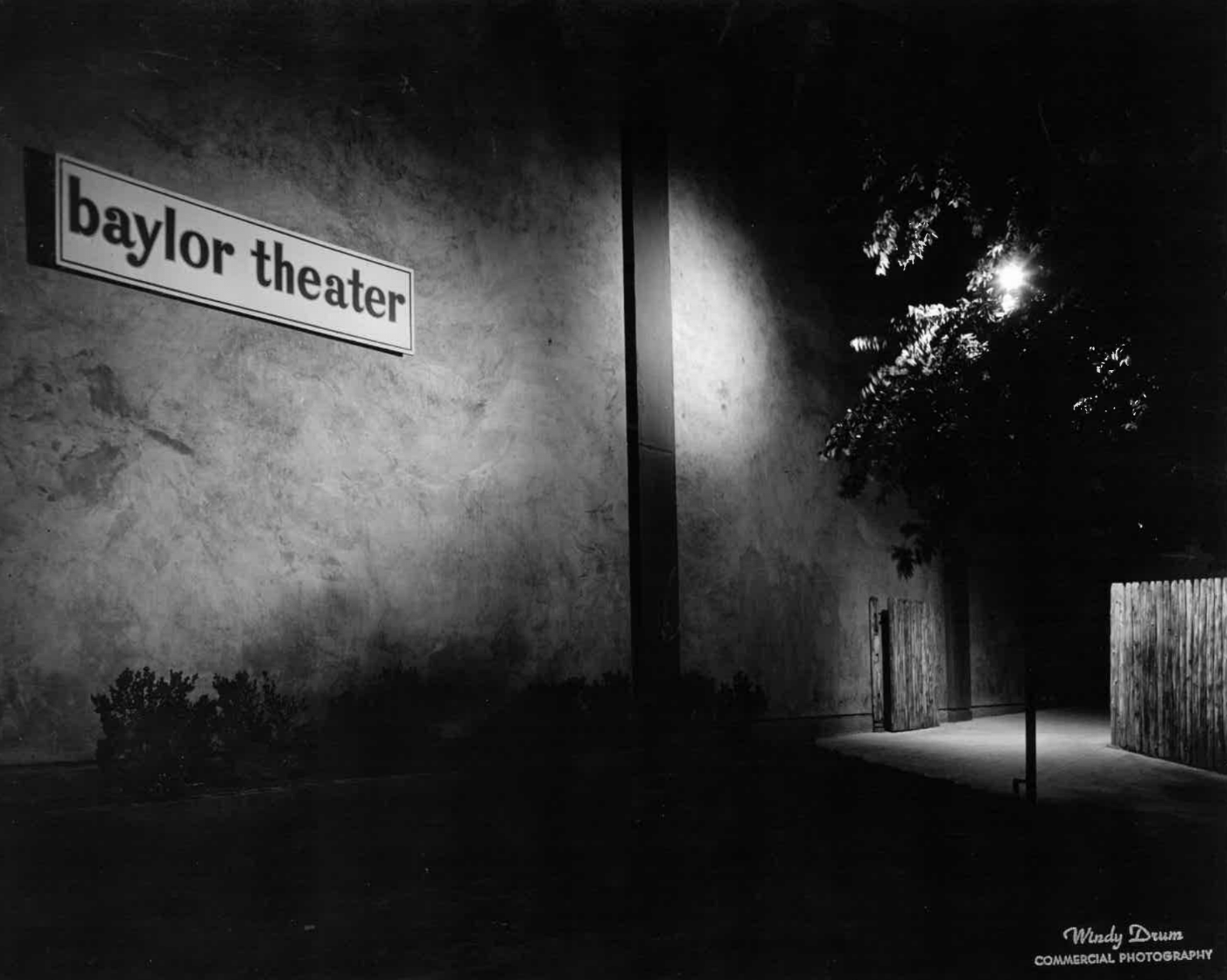
Baker’s educational approach grew through decades of teaching and cross-disciplinary exploration. As Chairman of Drama at Baylor University and later at Trinity University, he developed ideas that would become central to his creative learning philosophy.
His course, Integration of Abilities, features the recognition of personal sensory experience. Rather than treating creativity as a separate talent reserved for artists, Baker saw it as a human capacity that should be awakened and strengthened.
This philosophy remains central to the Baker Center for Creative Learning.
Booker T. Washington “Arts Magnet” and the Living Legacy
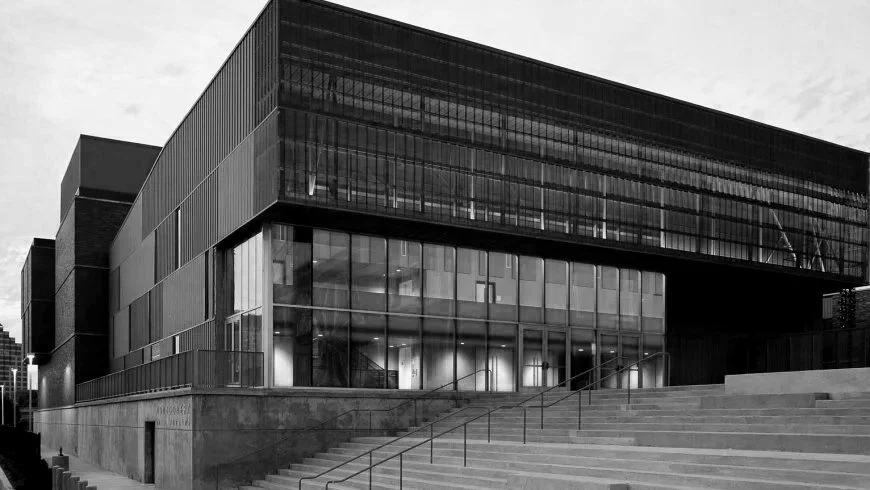
Paul Baker’s vision extended beyond the university and helped shape public arts education in Dallas. At the request of Superintendent Nolan Estes of Dallas ISD, he became the founding Artistic Director of Booker T. Washington High School for the Performing and Visual Arts, creating a model where rigorous arts training and academic learning could live together.
The school reflected Baker’s belief that artistic and intellectual development should not be separated. Students were encouraged to think across disciplines, develop their individual creative voices, and bring the whole self — senses, body, imagination, and intellect — into the learning process.
That legacy continues through the students, educators, artists, and institutions shaped by his work.
Dallas Theater Center and a New Kind of Theater Education
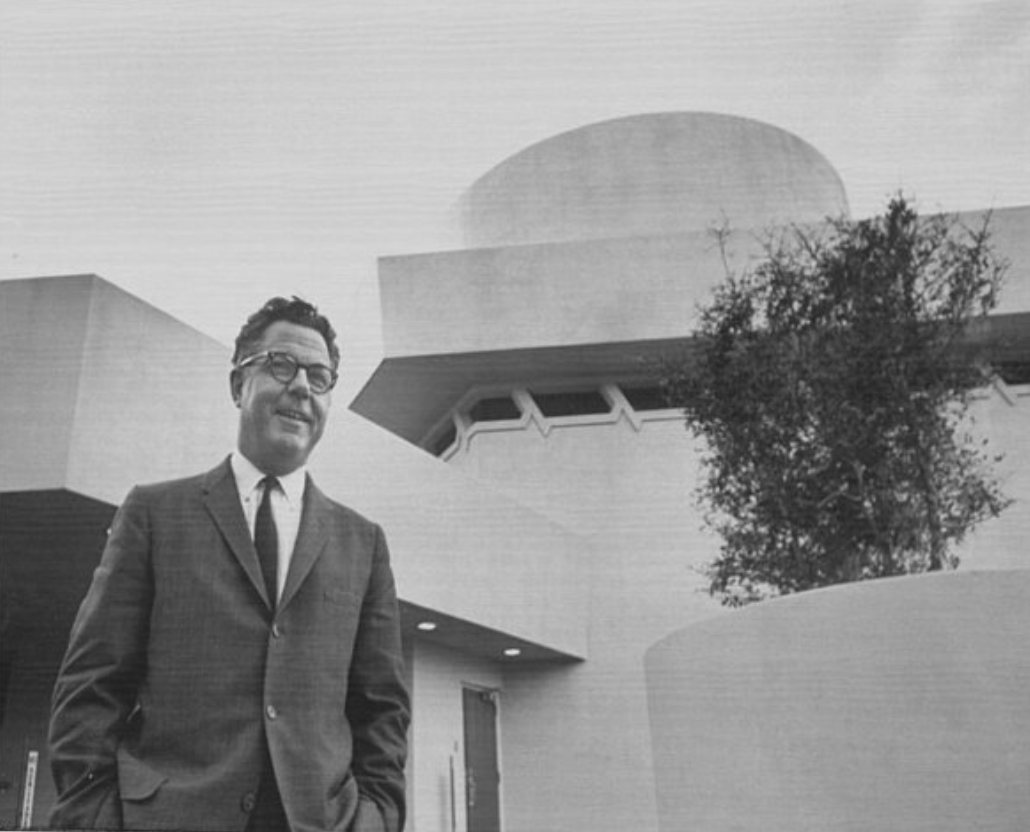
Paul Baker’s influence extended beyond the university and took institutional form through the Dallas Theater Center, as the founding director. There, he mastered the integration of education and theater performance.
His work at Dallas Theater Center was not only about producing plays. It was about building an environment where artists, students, designers, writers, and audiences could encounter theater as a living form of discovery.
The Center became an environment in which artists and audiences of every age could encounter theater as a living form of discovery. It fueled new perspectives for emerging writers, directors, educators and community leaders to examine vital ideas in a trusted space.
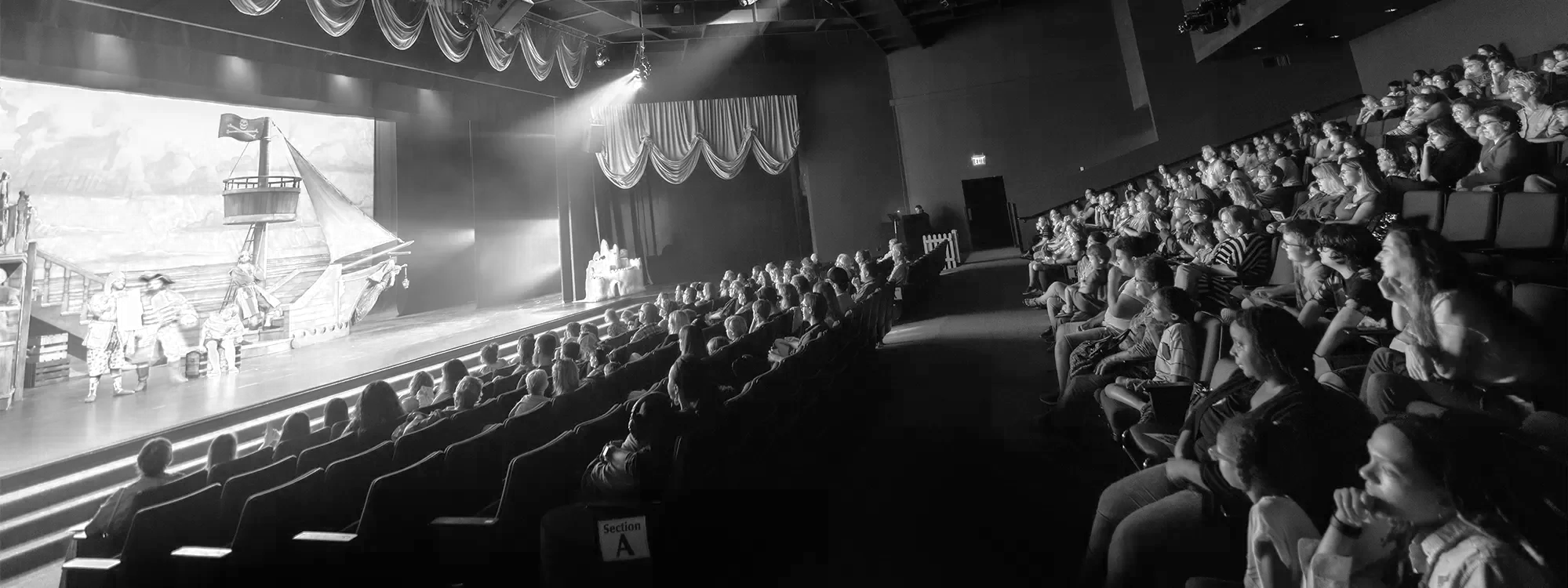
Dallas Children’s Theater and the Next Generation
Paul Baker’s ideas did not remain confined to universities, theaters, or adult training programs. They also helped shape a powerful approach to creative education for young people.
That next chapter continued through Dallas Children’s Theater, co-founded by Robyn Baker Flatt. The work extended Baker’s belief that young people are not passive recipients of information, but active observers and meaning-builders.
Through professional productions, school programming, educational outreach, and classroom resources, Dallas Children’s Theater helped bring this philosophy into experiences designed for students and families.
Why Paul Baker Matters Today
Paul Baker’s work remains urgent because education still needs room for experience, process, and project learning.
In a world that often rewards speed, standardization, and passive consumption, Baker’s approach asks students to slow down, notice deeply, collaborate honestly, and express their lived sensory experiences.
The Baker Idea Center exists because this work is not finished. It continues wherever educators invite students to learn through their senses and build upon them.
Continue ExploringExplore the work. Carry it forward.
Learn how the Baker Idea Center preserves Paul Baker’s legacy and helps educators bring creative, sensory learning into today’s classrooms.