A Creative Learning Framework for Educators
A guide for bringing creative learning to life
This guide is for educators who want students to do more than complete a lesson. It is for classrooms where students are invited to notice more closely, move with purpose, listen with curiosity, imagine freely, and express what they discover in their own way.
The Baker approach provides structure while leaving room for the life of the room — the questions, energy, personalities, and surprises students bring with them. The educator’s role is to create the conditions where students feel safe enough to explore, respond, collaborate, and make meaning.
As you move through this guide, you will find the core ideas behind the curriculum, including the facilitator mindset, sensory learning, the sensory alphabet, classroom flow, and the creative habits that help students become more aware, expressive, and confident learners.
This is not a script to perform. It is a framework to help you open the door.

The Facilitator Mindset
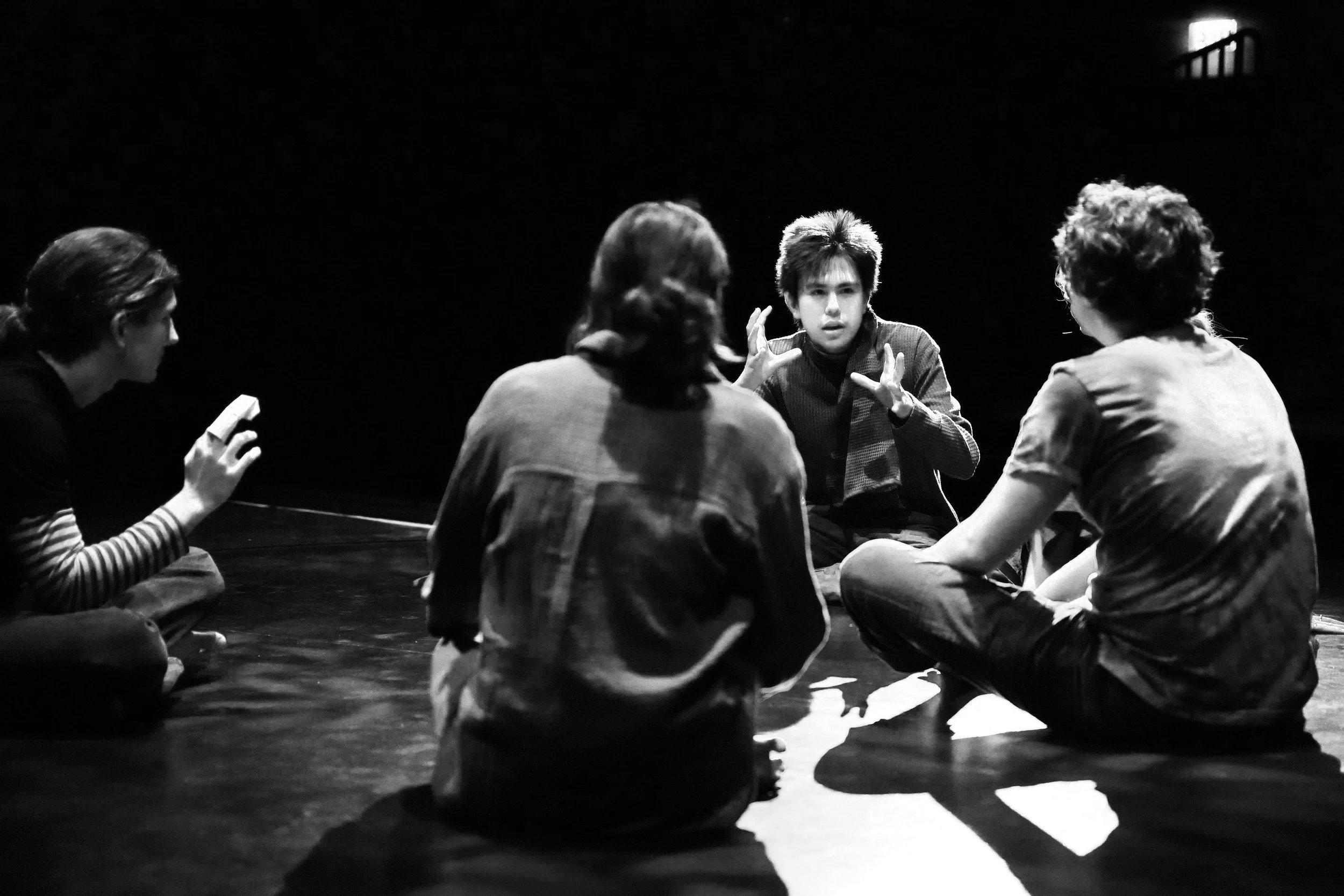
In the Baker approach, the educator becomes a guide for discovery. Rather than simply delivering instruction, the educator shapes the room, invites participation, models curiosity, encourages risk-taking, and creates a safe environment for creative work.
Facilitators are encouraged to:
Prepare a flexible, open, and welcoming learning space.
Begin lessons with warm-ups that help students transition into creative work.
Use movement, sound, discussion, and reflection as learning tools.
Encourage students to notice and describe their own sensory responses.
Support multiple interpretations rather than one “right” answer.
Adapt lessons based on student needs, energy, and discovery.
Help students respect each other as performers, collaborators, and audience members.
The educator remains the expert in their own room. The curriculum provides structure, but the facilitator brings it to life.
Guiding discovery, not just delivering instruction
What Makes This Curriculum Different
A structured approach to sensory learning
The Baker Sensory Curriculum is rooted in Paul Baker’s Integration of Abilities. It uses the senses, movement, imagination, storytelling, and creative expression to help students better understand themselves and the world around them.
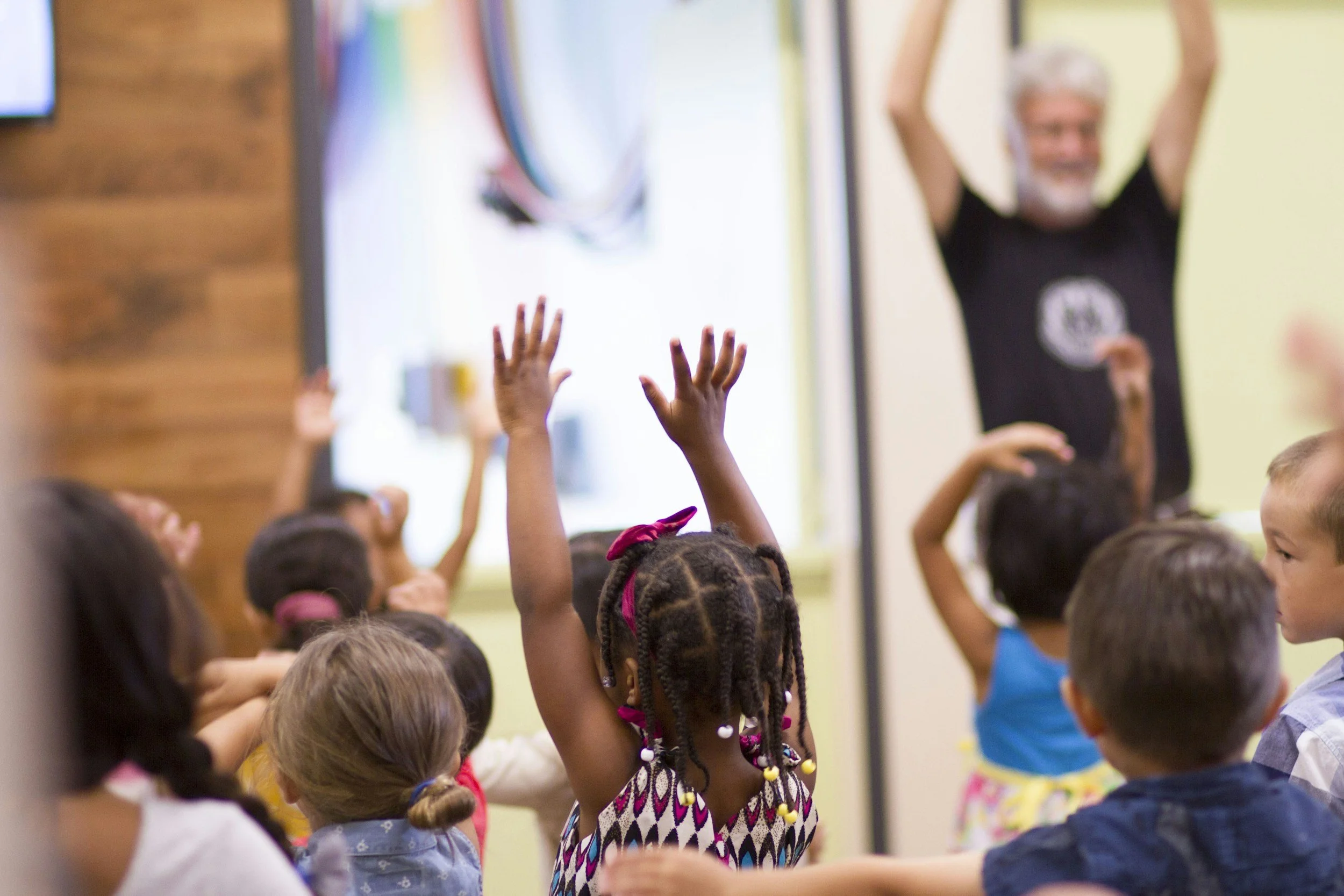
This is discovery-based learning. Students are not simply memorizing information or following a fixed answer path. They are exploring how space, sound, movement, rhythm, light, color, texture, line, shape, and story can become tools for thinking, communicating, and creating.
Every student brings a unique way of noticing, thinking, feeling, and making meaning. By engaging story, sound, space, rhythm, color, texture, movement, reflection, and expression, the curriculum creates multiple pathways into learning.
The goal is to help students find their strengths, develop them through practice, nurture them with confidence, and believe in what they can contribute.
Integrated Learning
Many strengths. One shared experience.
Integrated learning brings different ways of thinking, creating, and contributing into one shared experience. Theater offers a clear example: students can contribute through writing, design, sound, movement, performance, visual imagination, problem-solving, and collaboration.
In the Baker approach, this matters because students are not expected to contribute in the same way. One child may think visually. Another may respond through movement, sound, story, observation, leadership, or quiet reflection. Each contribution becomes part of the learning.
This kind of work is important for all children. It helps students connect with one another, recognize their own strengths, appreciate the strengths of others, and build confidence in what they can contribute. It gives children a positive path into participation, belonging, and expression.

Sensory Learning
Learning with the whole self
Sensory learning begins with the idea that students understand the world through more than words alone. They learn through what they see, hear, touch, feel, imagine, remember, and physically experience. The senses become entry points into observation, communication, self-awareness, collaboration, and creative problem-solving.
When students use the senses as tools for learning, they begin to connect the outside world with their inner life. They develop language for what they notice and confidence in what they can create.
Sensory learning is especially powerful because it gives students multiple ways to participate. A student may respond through movement, sound, image, language, performance, discussion, writing, visual art, or quiet reflection. The curriculum honors these varied pathways as meaningful forms of learning.
The Sensory Alphabet
A vocabulary for sensory experience and communication
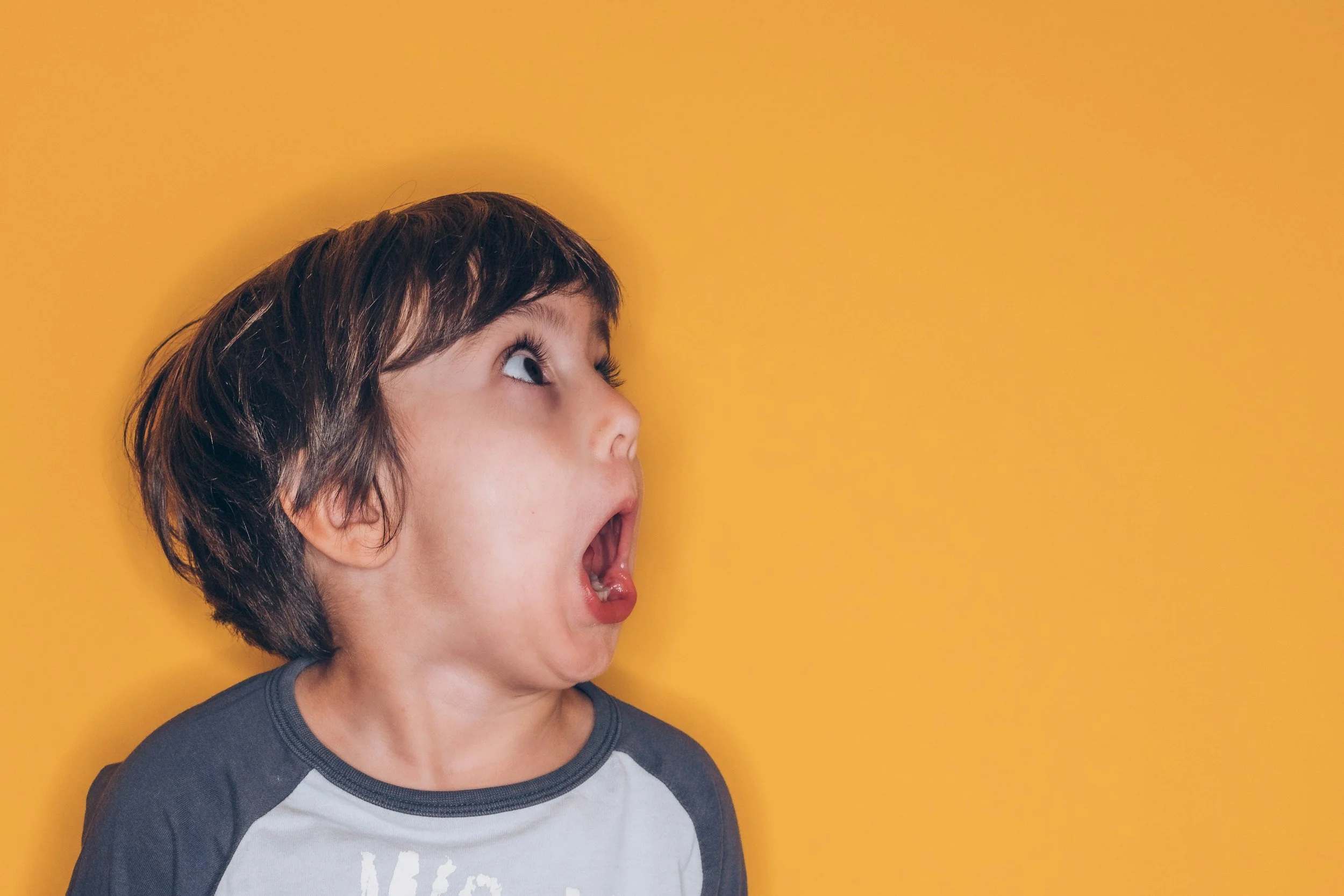
The Sensory Alphabet gives students a language for noticing, describing, and shaping sensory experience. Elements such as space, line, shape, sound, movement, rhythm, light, color, and texture become tools for observation, communication, storytelling, design, performance, and expression.
The Sensory Alphabet is not a worksheet or a fixed formula. It is a way of helping students recognize the materials of experience and use them with intention. A room has space. A story has rhythm. A character has movement. A memory may have color, sound, or texture. Through this vocabulary, students learn to notice more deeply, communicate more clearly, and create more intentionally.
For younger students, this language is introduced through story. For older students, the sensory elements are explored more directly as a vocabulary for reflection, communication, and creative thinking.
Designed for Diverse Learning Environments
The Baker approach can support classrooms, arts programs, theater education, homeschool settings, community programs, teacher workshops, and professional development experiences.
The curriculum provides enough structure to guide a class and enough flexibility for educators to adapt the experience for their own students, space, schedule, and learning goals.
-
The Baker Sensory Curriculum works best when students understand they are entering a different kind of learning environment. This does not require a theater or a perfect open room. A classroom can become a creative space through clear routines, expectations, and transitions.
Educators may establish:
Entry and exit rituals.
Warm-up routines.
Calls to attention.
Noise-level expectations.
Audience etiquette.
Group work procedures.
Reflection or cool-down practices.
A typical class experience may include a transition into the creative space, a warm-up or sensory prompt, a guided activity, student exploration, group sharing, reflection, and connection back to the lesson objective.
The classroom should feel structured, safe, and alive. Students need enough guidance to participate confidently and enough freedom to discover something original.
-
The curriculum gives educators multiple entry points so lessons can adapt to available time, student readiness, and classroom goals.
Essential
The core lesson. This is the primary experience students should complete if time is limited.Extension
Additional activities that take the core idea deeper, giving students more ways to explore and apply the concept.Evolution
A broader expansion that allows students to develop, transform, or extend the original idea through performance, discussion, collaboration, writing, visual art, movement, or other creative responses.This structure allows the curriculum to work in different classroom environments without losing its central purpose.
-
The Baker Sensory Curriculum is designed to support elementary education standards, including TEKS and relevant national standards. Each unit is intended to help educators connect creative exploration with classroom learning objectives.
Depending on the lesson, students may practice skills related to:
Speaking and listening.
Reading and storytelling.
Creative writing.
Theater and performance.
Visual arts.
Movement and spatial awareness.
Collaboration.
Social-emotional learning.
Observation, reflection, and communication.
The curriculum is also designed with flexibility so facilitators can connect lessons to topics students are already studying in the classroom.
-
The Baker approach is naturally flexible because it gives students multiple ways to participate. Students may respond through movement, sound, image, language, performance, discussion, or quiet reflection.
Educators should follow applicable student plans and adapt activities as needed so each learner can participate meaningfully and safely. The curriculum can support:
Emergent bilingual students.
Students with IEP or 504 plans.
Students with sensory or mobility needs.
Students using assistive communication technology.
Students with hearing or vision differences.
Students who may experience performance anxiety.
The goal is not for every student to participate in the same way. The goal is for every student to participate meaningfully.
-
Through creative and sensory learning, students develop:
Creative confidence.
Self-awareness.
Emotional expression.
Collaboration and active listening.
Flexible thinking and problem-solving.
A stronger connection between body, mind, imagination, and learning.
Language for observation, reflection, and communication.
Respect for others as performers, collaborators, and audience members.
Educator Call To Action